

As the curtain comes down on another awards season, it is time for Hollywood to mark its biggest night. The damage caused by the LA wildfires in January has brought things into perspective and although it promises to be a night filled with usual celebrations, glamour and parties, there is undoubtedly a sombre backdrop to this year’s awards. My heart goes out to all those affected by these terrible tragedies.
Nevertheless, ten more films are looking to bag the top prize and walk away with the coveted prize of Best Picture and join an illustrious company of films which includes Parasite, The Lord of the Rings: The Return of the King and The Silence of the Lambs. In a year which gave us the first half of an adaptation of a beloved musical, a tense thriller set in the Vatican, a gnarly body horror, a musical biopic of one of the most influential artists of all time, a hilarious take on a not-so-Disney fairytale, and a 215-minute long historical epic. Not as strong as last year’s crop, but some excellent films nonetheless, and one that really doesn’t belong in this company.
Without further ado, here is my ranking of these films from worst to best, starting with…
10. Emilia Pérez
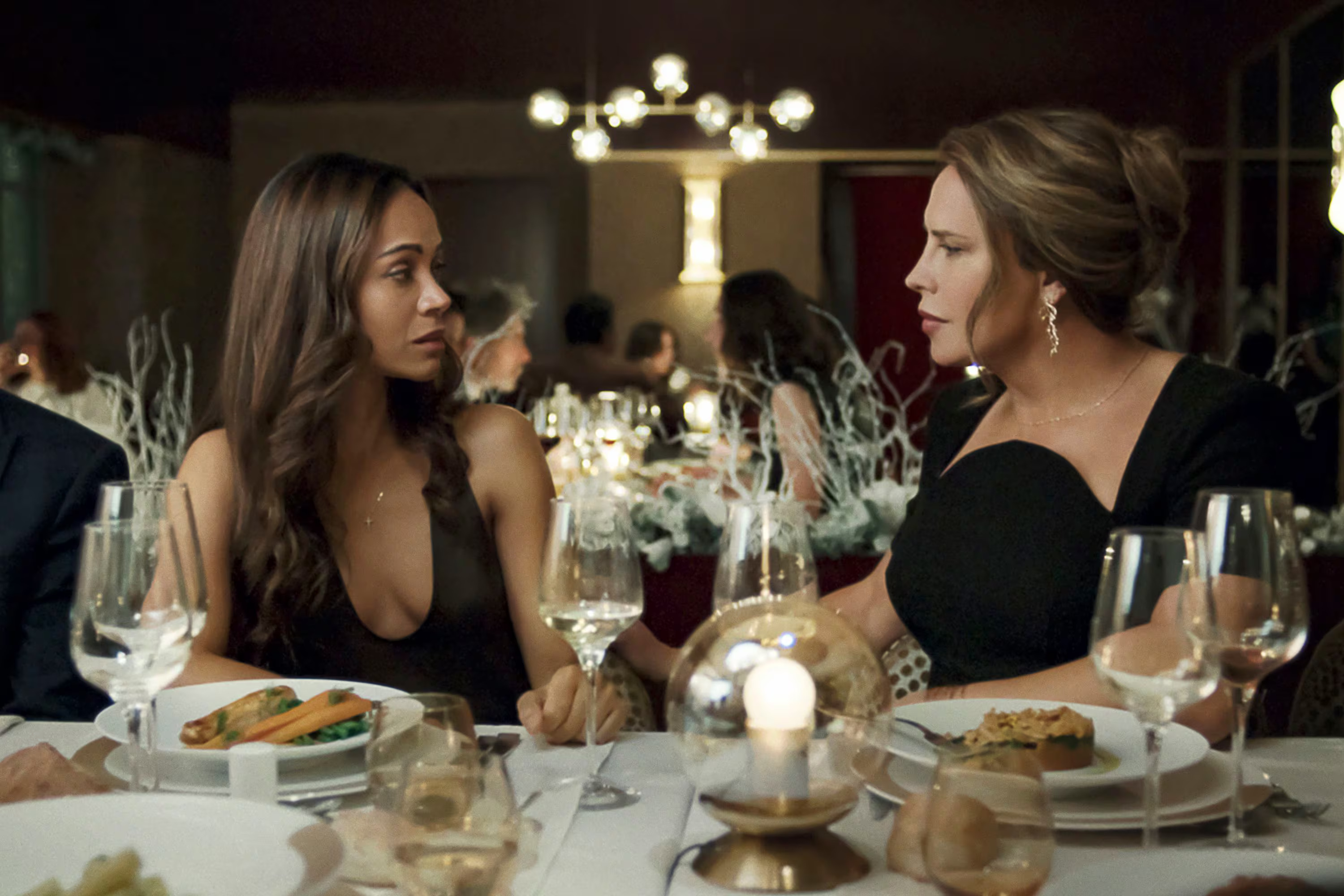
I always say that for every awards season, there is always going to be one film that I, for whatever reason, just do not vibe with or cannot understand why it has been nominated. This year, the film that stands out by quite a long way is Jacques Audiard’s Emilia Perez. I give this film all the points in the world for its originality and for the big audacious swings it takes. Anyone who says there is no originality left in cinema these days needs to look no further than this, a musical about a Mexican drug lord who undergoes gender reassignment surgery. You can’t get more original than that, however, originality does not make a good film.
The performances of its central three characters played by Zoe Saldana, Karla Sofía Gascón and Selena Gomez are all strong and it hits on some important themes. However, a key requirement for any musical is to have memorable musical numbers that will leave you singing them for days and weeks afterwards, and the musical numbers here just didn’t have that. Furthermore, given the film has attracted strong criticism from Mexico and the transgender community combined with the controversy of resurfaced tweets from Gascon cannot and should not be ignored. All these factors should severely damage its chances of winning any awards. The fact it is the most nominated film this year is truly head-scratching.
9. A Complete Unknown

Bob Dylan, a name instantly recognisable to countless people worldwide, is considered one of the greatest artists of all time. 40 studio albums and 21 live albums across a more than 60-year career is an extraordinary legacy, and it is no surprise that many filmmakers such as Todd Haynes and Martin Scorsese have made films centred on such a remarkable musician. Having directed 2005’s Walk The Line, a music biopic about Johnny Cash, James Mangold stage dives back into this world for another film about the man who has sold 125 million albums worldwide.
James Mangold could have easily taken the standard biopic approach and chronicled Bob Dylan’s life from his early years to the present. However, he focuses specifically on the early days of Dylan’s career in the 1960s, highlighting his encounters with his idol, Woody Guthrie, and his whirlwind romances with Elle Fanning’s Sylvie Russo, and Monica Barbaro’s Joan Baez. Throughout this period, Dylan grapples with the desire for artistic freedom while rising to mega-stardom. Timothée Chalamet delivers a strong, transformative performance as Dylan and Mangold’s direction hits the right notes. However, I just wasn’t invested in the story as much as I wanted to, and I feel this film is primarily aimed at passionate fans of Dylan, which is not me. That being said, ‘The Times They Are A-Changin'” is one hell of a banger.
8. I’m Still Here
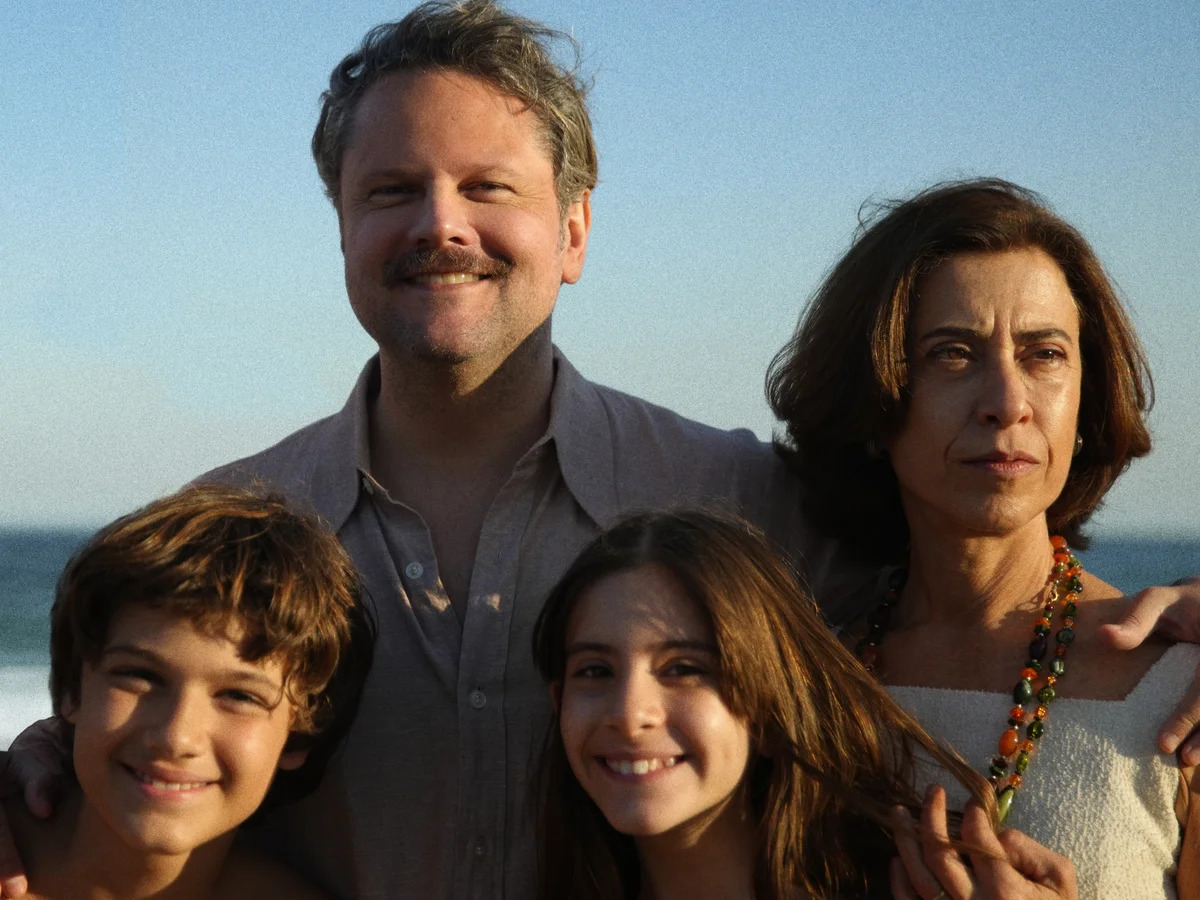
In every awards show of the 2020s so far, at least one international film has competed for the top prize. Walter Salles’s film, representing Brazil, tells the harrowing true story of a woman’s struggle to uncover the truth about her husband’s disappearance during the 1970s, a time when the country was under military dictatorship. The film portrays a warm and sincere family dynamic set against the backdrop of sunny Rio de Janeiro, despite the ominous sounds of military aircraft flying overhead. It also highlights a historical period that many viewers may not be aware of, making it depressingly relevant given the alarming rise in dictators or aspiring dictators around the world today.
While the film could have conveyed more urgency, considering the family’s desperate situation, Fernanda Torres’s excellent and restrained performance in the face of authoritarian brutality makes it a worthwhile watch. Torres thoroughly deserves her nomination for Best Actress.
7. Nickel Boys

Throughout the years, many filmmakers have portrayed the harsh realities of racism in the United States, an insidious presence that unfortunately persists not only in the U.S. but around the world. However, these films have rarely explored this theme from a first-person perspective. This is what makes RaMell Ross’s film so visually striking, entirely unique, and profoundly unsettling to watch. Based on the 2019 novel by Colson Whitehead, the film centres on the friendship of two boys who are sent to an abusive reform school in Florida, where they must endure and survive the brutality they encounter.
The decision to tell this story from the first-person perspective is bold, powerful and innovative and captures the cruelty of this “school” unequivocally. However, it does get to a point where as ground-breaking as telling such a story from the perspective of these two the way the film is directed can work against it. Nevertheless, it remains an important and necessary watch given the pervasive ugliness of racism that remains pervasive in the US right to the present day.
6. The Brutalist

review
In today’s world of smartphones and social media, any film which exceeds three hours is bound to spark debate over whether such a lengthy runtime is justified. Even for the most ardent cinephile, a runtime of 3 hours and 35 minutes can feel like an endurance test. However, with the help of an intermission built into that runtime, Brady Corbet’s ambitious and pertinent drama of a Hungarian-Jewish architect striving to achieve the American Dream, filmed in glorious VistaVision, feels like a film that could have been made and released several decades ago. Unfortunately, the cacophonous bile spewed by supposed world leaders demonising immigrants and their legal bid to emigrate to a brand new country to make a new life for themselves, makes it all the more relevant in today’s political climate.
Its themes of striving to create something to leave a lasting legacy in your respective field, only to have numerous obstacles thrown in your way, are also very timely and topical. Despite that lengthy runtime, the clever use of a built-in intermission ensures the film seldom drags and I could have happily watched more, particularly as I felt the third act came to a sharp and abrupt halt which really took me out of the film and prevents it from becoming a true modern masterpiece.
5. The Substance

The sole film among this year’s nominees to be directed by a woman, and the first horror film to receive a best picture nomination since Get Out was nominated at the 90th Academy Awards in 2018. The Academy has not often embraced horror, particularly such gnarly body horror on display here. There has been an array of fantastic performances in horror films not getting the recognition they deserved (Toni Collette, Florence Pugh and Lupita Nyong’o in Hereditary, Midsommar and Us respectively to name but a few).
To see Demi Moore succeed where those aforementioned performances didn’t get the nomination they deserved is immensely satisfying. Coralie Fargeat’s fierce script is filled with biting social commentary about the ridiculous pressure society places on women, the absurd beauty standards women have to put up with compared to men and the pressures to maintain those standards in the face of getting old. Demi Moore and Margaret Qualley both give tour-de-force performances, with an absolutely insane third act that you will not be forgetting in a hurry.
4. Anora

review
I was quite nervous about watching the follow-up film directed by Sean Baker, even knowing that it had won the coveted Palme d’Or at last year’s Cannes Film Festival. This anxiety stemmed from my experience with his previous film, Red Rocket, which I found to be thoroughly repulsive and predatory. Thankfully, my worries about his latest film were quickly put to rest. Despite my many gripes with Red Rocket, Baker’s films give a voice to the marginalized in American society, and this theme is prominent in his hilarious and chaotic take on the classic Cinderella fairytale. The film follows a young New York sex worker who believes she has found her Prince Charming, only to discover that this particular prince has some rather unwelcoming parents and henchmen.
The entire film rests on her shoulders, and after delivering memorable supporting performances in recent years, Mikey Madison finally gets her well-deserved moment in the spotlight as the princess of this unconventional love story. Just don’t expect any ballgowns or happy-ever-afters.
3. Wicked
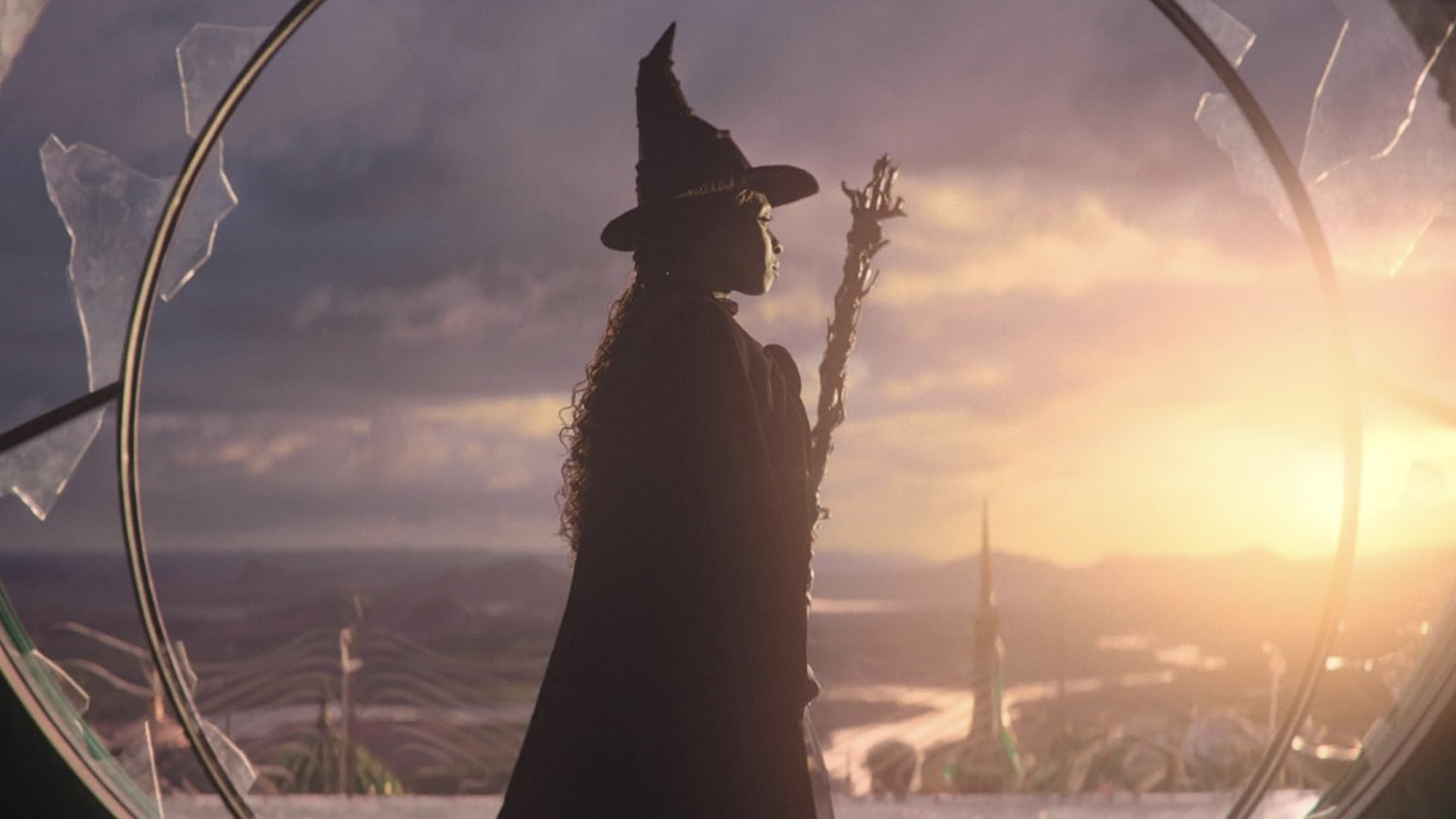
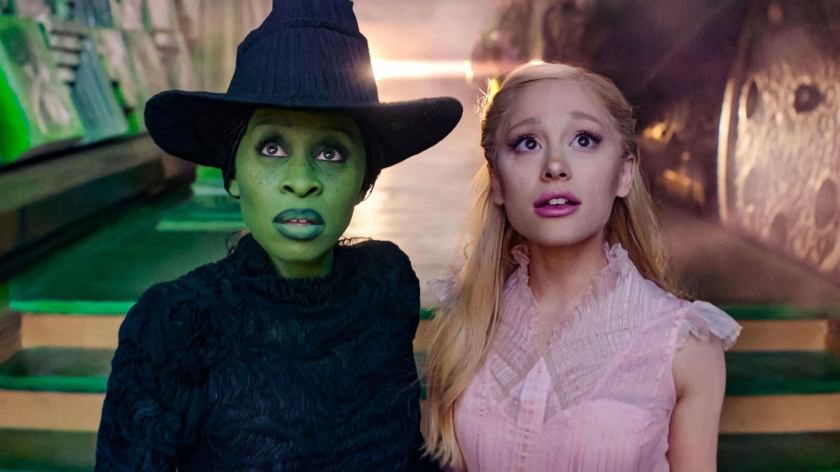
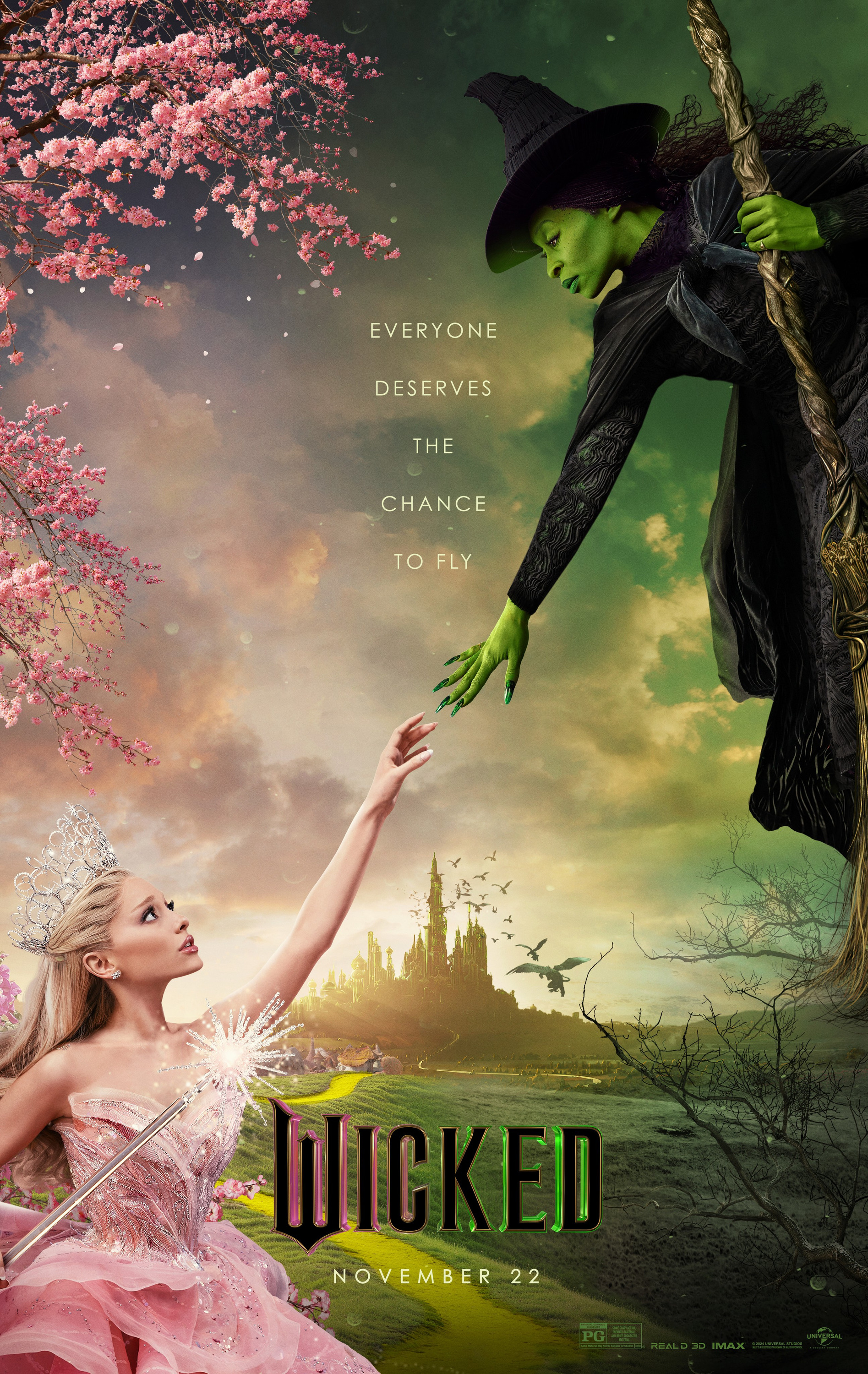
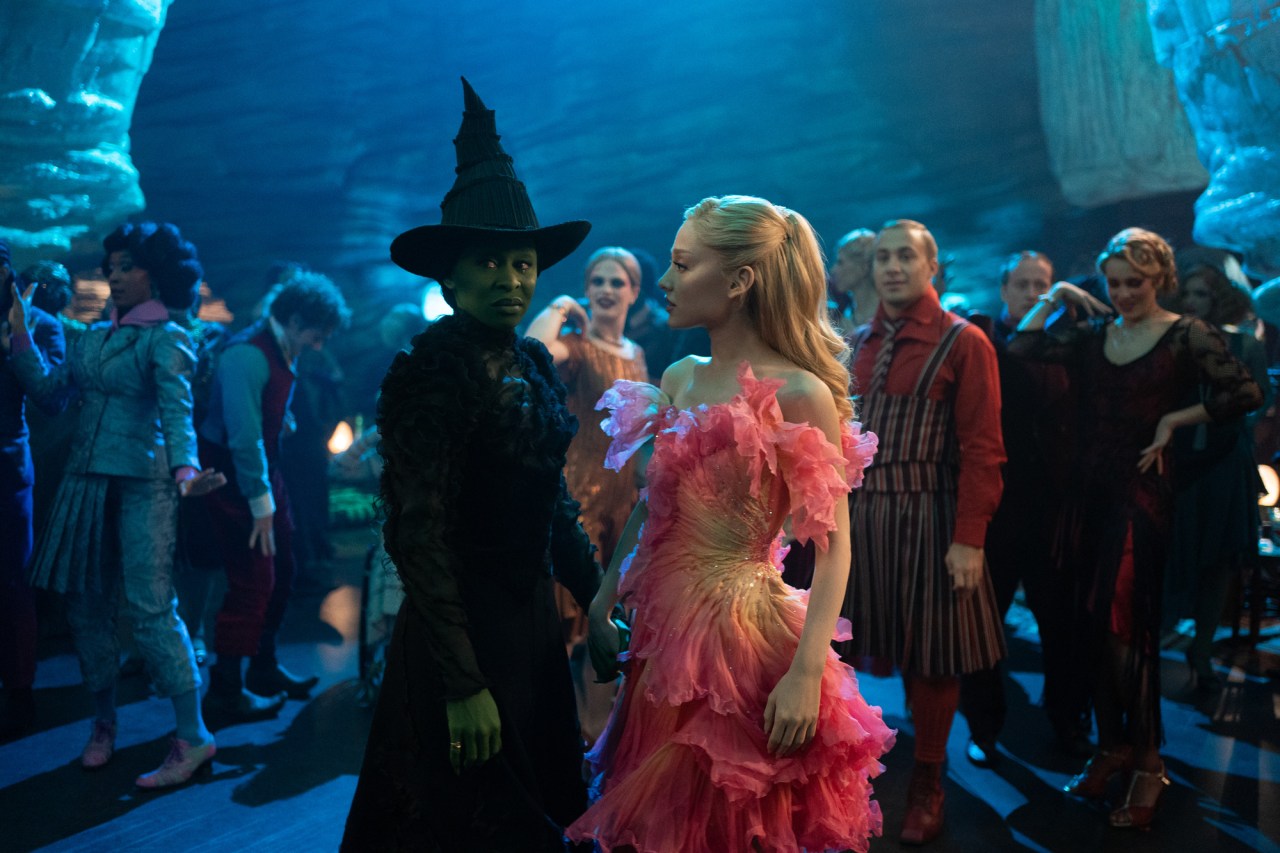
The first film of this year’s crop which was an undisputed box office juggernaut in 2024. It would be fair to say that given how popular (pun most definitely intended) the musical which inspired this film is, expectations were sky high as to whether the musical would translate to the big screen, which hasn’t always been an easy path. Fortunately, in the very capable hands of Jon M. Chu, the first part of this journey back to the land of Oz to explore the friendship of Shiz University students Galinda and Elphaba before their paths diverge into becoming the Wicked Witch of the West and Glinda the Good hit all the right notes. With those irresistibly catchy songs, and the incredible performances of Cynthia Erivo and Ariana Grande, the film defied expectations (and gravity), and we’re only halfway through the story. Wicked: For Good cannot get here soon enough.
2. Conclave

review
On paper, a film about a group of religious men in fancy robes going through a lengthy process of choosing their next leader doesn’t sound like it would be ripe material for a tense thriller. Yet in the same vein as The Brutalist, in a year when countless people went to the polls across the world, the release couldn’t have been more apt in a tense political climate. We have seen all too often in recent years, political figures who shouldn’t be anywhere near the seats of world government, scramble to obtain and retain power by any means necessary.
This kind of vain and power-hungry behaviour is unexpected from those who have dedicated their lives to serving an institution like the Catholic Church. However, Peter Straughan’s gripping script keeps the audience engaged as agendas clash, long-hidden secrets emerge, and these men participate in a nearly Game of Thrones-style struggle for the right to become the next Pope. Meanwhile, others grapple with crises of faith, questioning the very institutions they have devoted themselves to. A pulsating papal drama, with magnificent work from its ensemble cast, led by the ever-reliable Ralph Fiennes.
1. Dune: Part Two

review
The second film in this year’s crop that was an absolute behemoth at the box office, with the spice flowing in plentiful supply, as it continued the journey of Paul Atriedes on the vast and inhospitable world of Arrakis in his quest for revenge against the Harkonnens. Denis Villeneuve picked up where he left off to deliver a sequel that built on the foundations of its predecessor to give audiences a much bigger, darker and yes better film than its predecessor. The first instalment garnered ten nominations -and won six – at the 94th Oscars in 2022.
The fact that the second half of this masterful adaptation of Frank Herbert’s book only garnered six nominations is a gargantuan sandworm-sized injustice. I can only hope that the Academy is waiting for Dune: Messiah to give this visionary director his well-deserved dues. It is only a matter of time before Villeneuve gets an Oscar given his incredible contributions to cinema since he gained wider recognition in Hollywood in 2013.
Could/should have been nominated…
So, there we have it, there is my ranking of the ten films competing for Best Picture. However, with this, I always like to imagine what could have been. It is safe to say that even with some great films in this year’s crop of nominees, one film really stands out like a sore thumb as being unworthy of its place as a Best Picture contender, while with another I can see why it has received a Best Picture nominee, it wouldn’t have been my choice.
So with that in mind, if I had a ballot, out would go Emilia Perez and A Complete Unknown, and in their place, I would choose to nominate two from the following three films:
Sing Sing – It really surprises me, for a film which is all about the arts and the restorative power they can have to transform our lives and offer any of us an outlet to express ourselves, Greg Kweda’s life-affirming and powerful prison drama, would be a sure bet to receive a nomination for Best Picture, particularly given this wasn’t the strongest year for cinema. Colman Domingo continues his remarkable trajectory with a phenomenal leading performance which should be putting him in the running for Best Actor. His time will come soon, I am absolutely sure of that.
We Live in Time – Okay, cards on the table, I am a huge fan of Florence Pugh. Therefore, any film she stars in automatically captures my attention. Adding Andrew Garfield into the equation, in a heartachingly beautiful and devastating film about two people who meet and fall in love while battling a heartbreaking medical diagnosis. It all seems like the perfect combination to merit awards attention, particularly given the devastating performances of Pugh and Garfield. Yet throughout this awards season, this film has been completely overlooked and I am genuinely flummoxed as to why.
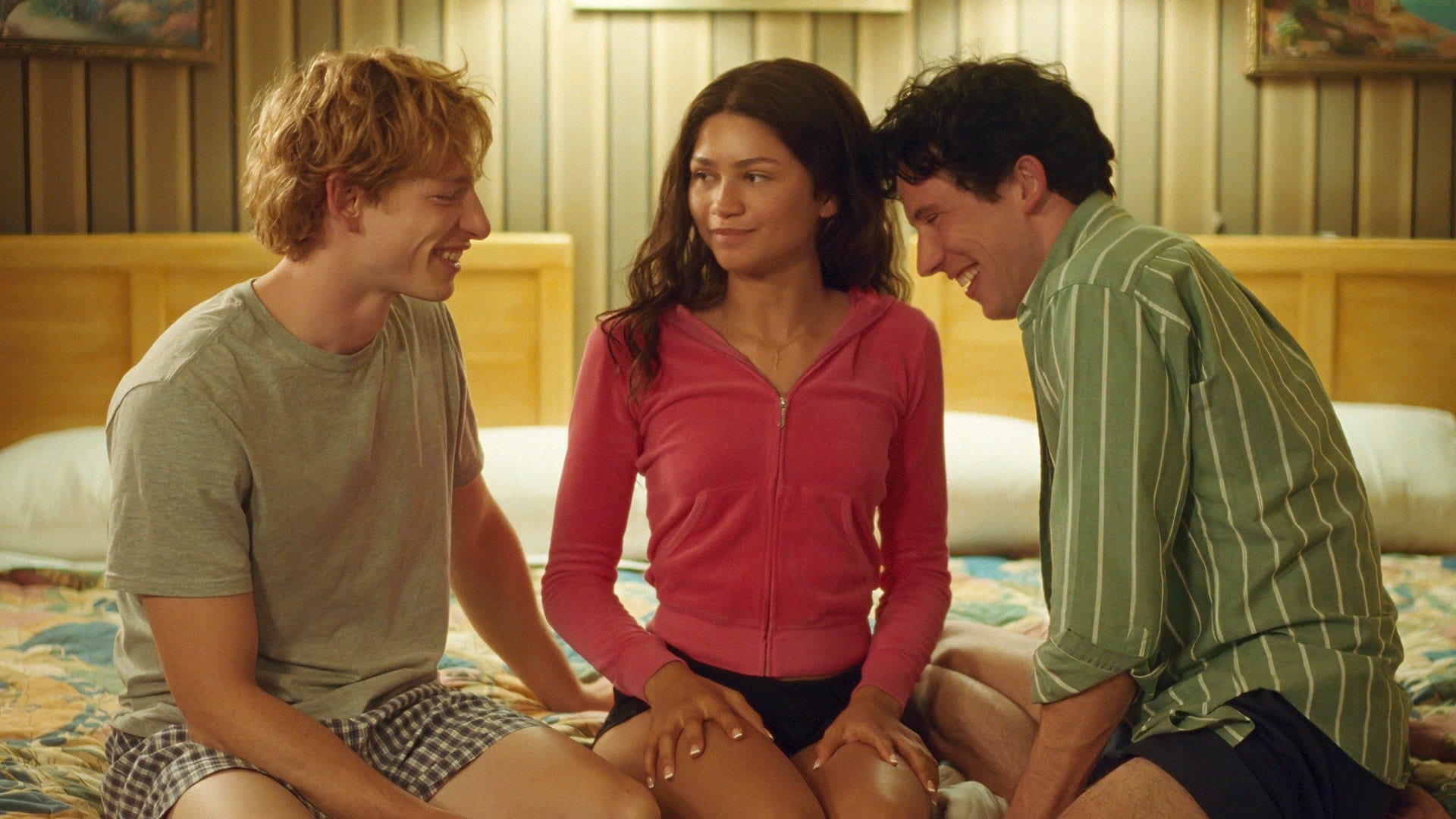
Challengers – Like We Live in Time, Luca Guadagnino’s steamy tennis drama is another film to have completely overlooked in this awards season, and while it admittedly was a bit of a long shot particularly given how early in the year it was released, I firmly believe it was good enough to have received awards attention for the incredible performances of Zendaya, Josh O’Connor and Mike Faist, its sharp screenplay, and the absolute serve that is the tubthumping score from Trent Reznor and Atticus Ross.






 Through the Silver Screen