


Joker: Folie à Deux – Film Review
Cast: Joaquin Phoenix, Lady Gaga, Brendan Gleeson, Catherine Keener, Zazie Beetz, Steve Coogan, Leigh Gill
Director: Todd Phillips
Synopsis: Two years after the events of the first film, as he prepares to go on trial for murder, Arthur Fleck meets fellow Arkham inmate Harleen ‘Lee’ Quinzel…
Review: In what was an incredible year for film, there were fewer films released in 2019 which caused a frenzied debate as Todd Phillips’s Joker. The winner of the Golden Lion at the Venice Film Festival, and yet, the controversy which surrounded the film in the run-up to its release was thunderous and widespread, amid fears that it would spark violence and unrest. Despite its very apparent nods to the filmography of Martin Scorsese, the film rode out those fears, taking over a billion dollars at the box office and becoming the highest-grossing R-rated film of all time (a record it held until only very recently) and bagging two Academy Awards. Amid the very divisive reactions, ultimately this version of the Clown Prince of Crime had the last laugh. At least he would have done, had the filmmakers resisted the urge to return to this dreary interpretation of Gotham and make a markedly inferior sequel.
It has been two years since failed comedian Arthur Fleck (Phoenix) violently killed several people, including three Wall Street businessmen, a co-worker, and a prominent talk show host, the latter taking place live on national television, all while adopting the mantle of the Joker. Now imprisoned at Arkham State Hospital, Arthur is awaiting to stand trial for his crimes and at the mercy of Arkham’s guards, who take great joy in taunting him. He soon meets Harleen “Lee” Quinzel (Gaga), and the two begin a bad romance, (rah-ah-ah-ah!) with Lee telling Arthur that they will build a great life for themselves once he is free. Meanwhile, in preparation for his trial, Arthur’s legal counsel Maryanne Stewart (Keener) is aiming to convince him that he has dissociative identity disorder and that it was this Joker character that committed these murders, all this is interwoven with musical numbers which attempt to explore Arthur’s mindset, because apparently a song and dance is a better outlet than talking about it?
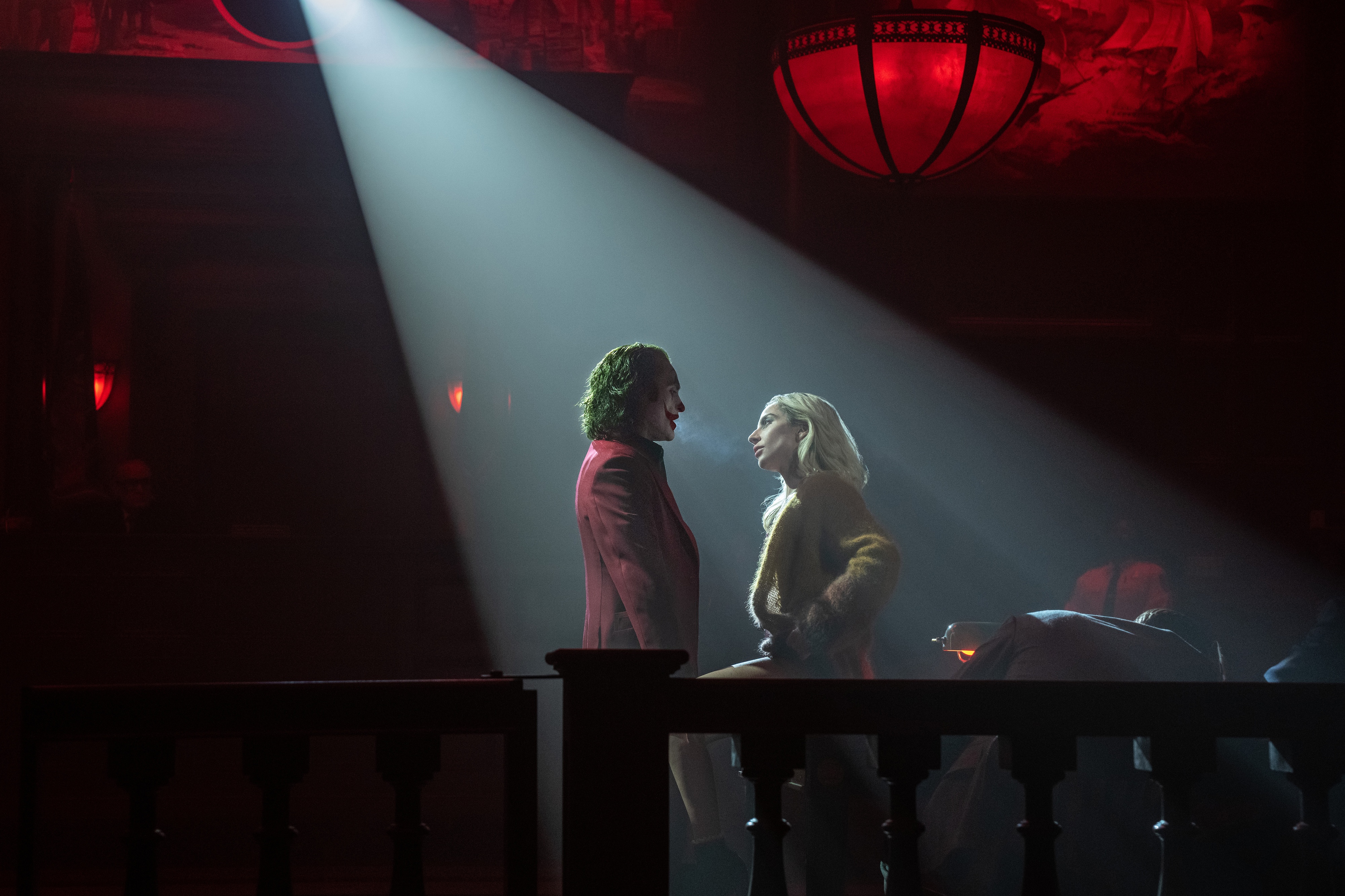
How do you solve a problem like Joker? This is presumably the question on the minds of Phillips and Scott Silver when they set about writing this follow-up. The short answer is you leave it the hell alone as not every film needs a sequel, but clearly money (especially $1bn) talks. While at least this does away with the very overt references to a superior filmmaker’s work, the decision to go down the musical route for such serious discussions about mental health and the state of Arthur’s mind is unquestionably bold. However, boldness counts for nothing if you don’t fully commit to this and go for broke and commit to batshit musical numbers. Even with a singer as talented as Gaga, the musical numbers are flat and unremarkable, and offer nothing substantive as a means of dissecting Arthur’s supposed identity crisis and both his and Lee’s mental state. Folie à Deux (or shared delusion/madness) is an apt subtitle as these are two souls whose delusion knows no bounds, but it’s a shame that the substance of the script is about as shallow as it could possibly get, and its exploration of mental health is superficial if we’re being kind, and bordering on lazy if we’re not, which we absolutely should not.
For all of the script’s many faults, with another being a courtroom drama that should be gripping and intense as Arthur is held accountable for his actions, even if that is half-baked and farcical in its execution. At least Joaquin Phoenix delivers another compelling performance, even though the material he’s been given is far beneath an actor of his immense capabilities. Gaga has proven she has the acting chops to go toe to toe with some of the biggest names in the business, and she does so again here. Her take on this iconic character is much more softly spoken and warmer than some of her immediate predecessors. However, she doesn’t get enough screen time to truly excel and leave a lasting impression. To underutilise her musical talents, in particular, is an especially egregious sin, among the many many sins committed through a two-hour and twenty-minute run time, with severe drags in the pacing.
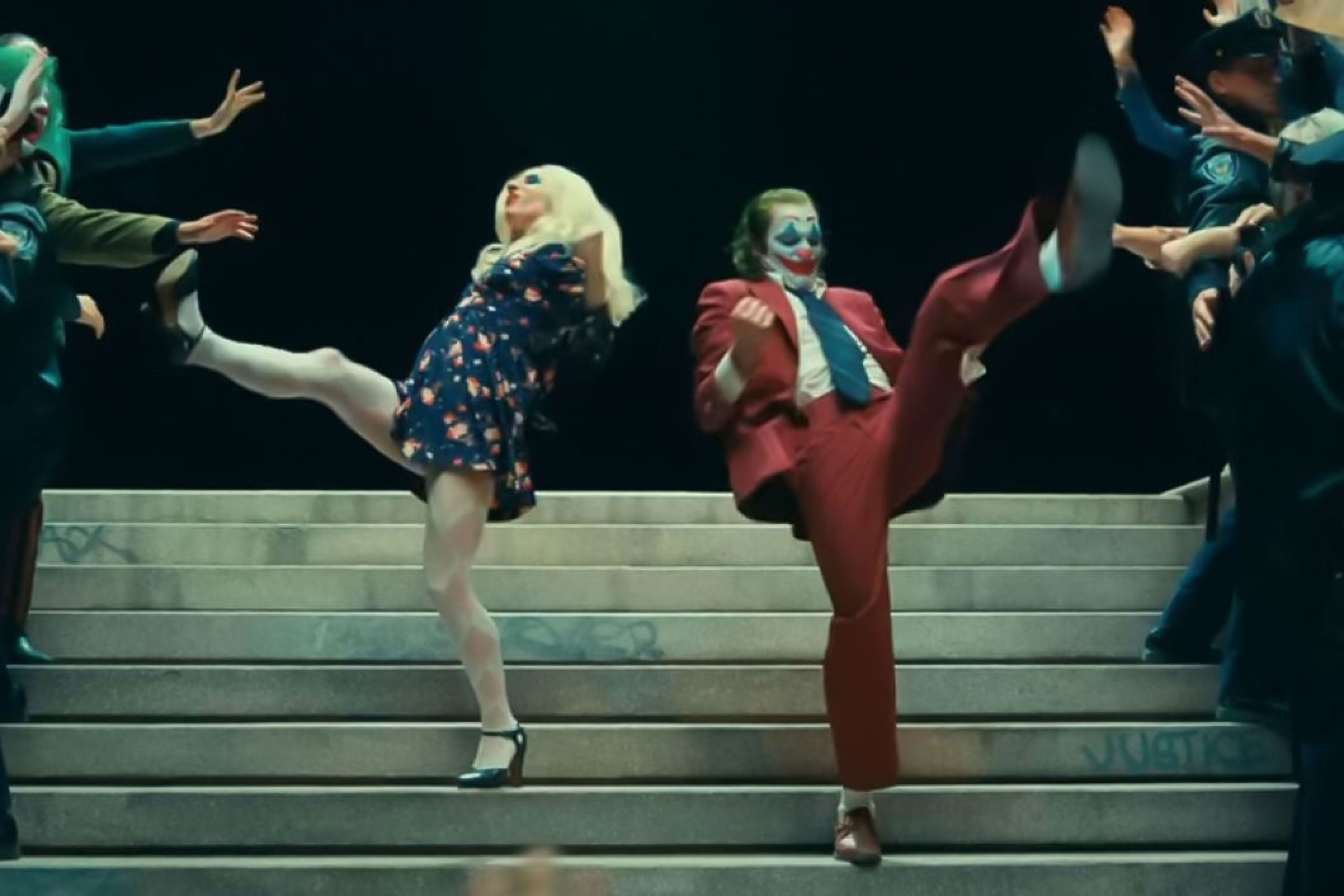
What is considerably less sinful is the sterling work of returning cinematographer and composer Lawrence Sher and Hildur Guðnadóttir, the latter of whom won an Oscar for the first film. The scenes in Arkham are aptly dim and grey, to reflect such a miserable place. They stand as a perfect contrast to the vibrantly lit musical moments, while Guðnadóttir again deploys a haunting string-heavy to capture the gloominess of Arthur’s predicament when he’s not having a musical interlude, which ultimately feels like a waste of Guðnadóttir’s talents. Phoenix’s phenomenal performance helped to elevate the first film from its obvious influences to provide audiences with a portrayal of one of cinema’s iconic villains that for better or for worse, got people talking. However, this hollow sequel offers absolutely nothing substantial and has absolutely nothing to say. No one is laughing anymore, and it is time for this clown to exit the stage once and for all.


 Through the Silver Screen