

Inside Out 2 – Film Review
Cast: Amy Poehler, Phyllis Smith, Lewis Black, Tony Hale, Liza Lapira, Maya Hawke, Ayo Edebiri, Adèle Exarchopoulos, Paul Walter Hauser, Kensington Tallman, Diane Lane, Kyle MacLachlan
Director: Kelsey Mann
Synopsis: As she celebrates her 13th birthday, the world inside Riley’s mind grows complicated when new emotions enter the fray…
Review: It is fitting for a studio which has a small group of creative leaders that form its Brain Trust, that over the course of its 30+ year history, Pixar has come up with some utterly ingenious and wonderfully creative concepts. Storytelling works masterfully on two levels to entertain younger audiences and massively pull on the heartstrings of older viewers with weighty and emotionally powerful themes. There’s no shortage of films in its collection to choose from which fulfil these criteria, but Inside Out is a strong contender for the studio at its brilliant best. A mixture of fear and apprehension may have risen when it was confirmed a sequel was in development. However, those fears can be put aside for Pixar has made a worthy companion to its predecessor.
One year has passed since the events of the first film, and Riley (now voiced by Kensington Tallman) has celebrated her 13th birthday and is about to start high school. Her existing emotions, Joy (Poehler), Sadness (Smith), Anger (Black), Fear (Hale) and Disgust (Lapira) have worked collaboratively on a new core component of her mind which establishes memories and feelings which make up Riley’s personality. However, as Riley sets off on an exciting summer venture to win a place on her school’s ice hockey team, she begins to go through puberty. As a result, a range of new emotions arrives at headquarters: Anxiety (Hawke), Envy (Edibiri), Ennui (Exarchopoulos) and Embarrassment (Hauser). The new emotions immediately take over the console upon arrival and run amok, leaving her childhood emotions in a quandary as to how they can prevent the new emotions from causing complete and total chaos inside Riley’s mind.
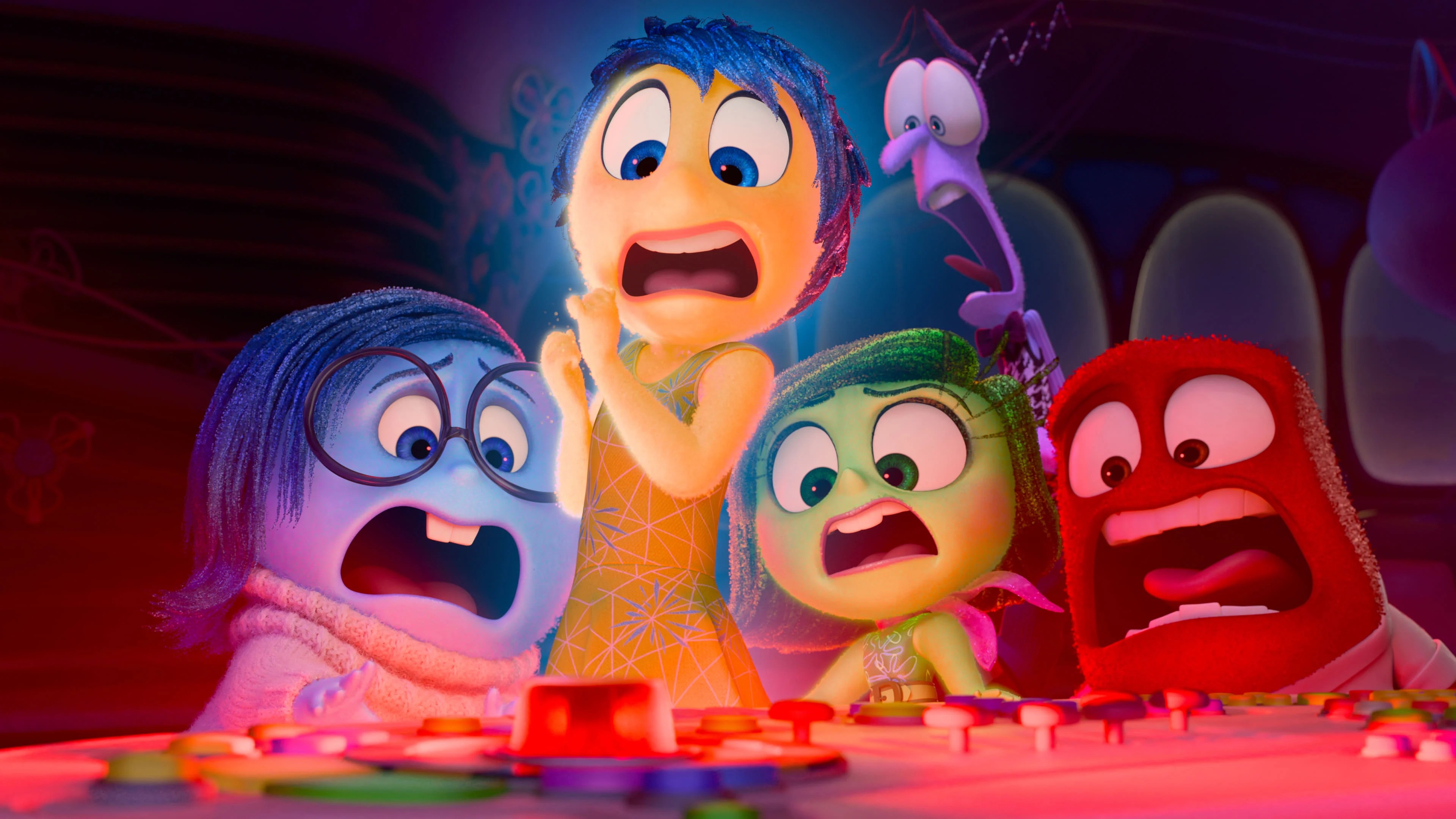
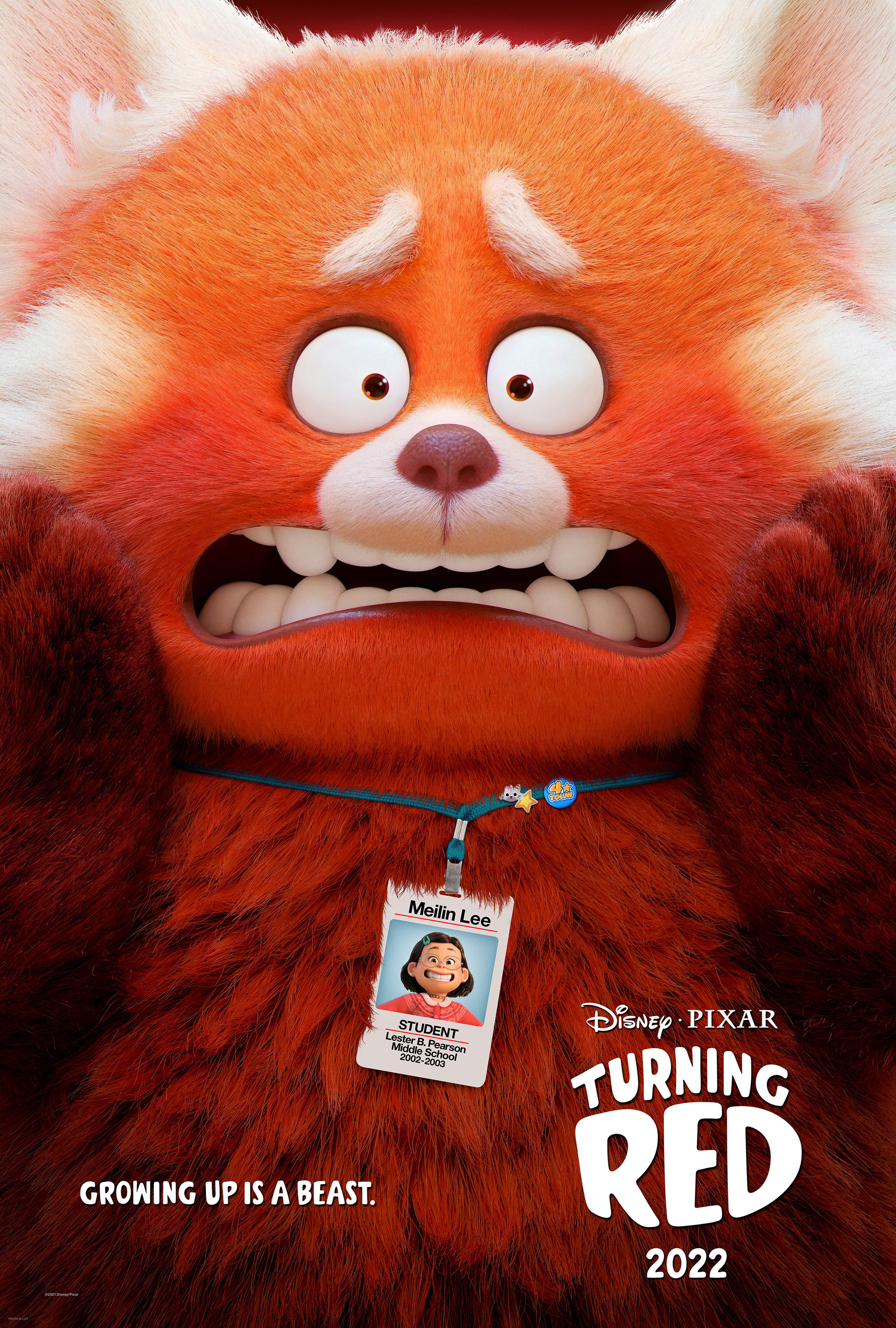
The word ‘genius’ is thrown around quite a bit in modern discourse, but if ever there was an apt descriptor of the premise of Inside Out, it would be exactly that. An ingenious piece of storytelling to picture what goes on in the endless complexities that make up the human brain, and the emotions we feel as we grow up and experience exciting but also nerve-wracking new life events and experiences. Of all the big new experiences that life throws at us, there is perhaps none bigger than puberty. An exciting but also scary time where our emotions can run amok as our bodies change and returning writer Meg LeFauve and Dave Holstein’s screenplay builds on the wonderfully inventive world created by Pete Docter as how emotions develop and become increasingly complex as we get older and the perils of growing up, making this very much the spiritual sister to Turning Red, minus the red pandas, of course.
The screenplay, from a story by LeFauve and director Mann, cleverly utilises its predecessor’s ingenious train of thought and brilliant imagination to depict and visualise not only the mind and how it develops as we progress from childhood into adolescence. Picking up exactly where that train of thought left off, though instead of hilarious jokes about abstract thought, the film cleverly depicts concepts of the mind, only this time as brainstorms and one of the most effective weapons a teenager has at their disposal to navigate everything life has to throw at them, sarcasm. Because, well as anyone who has been a teenager and gone through puberty will know, it’s a tricky time when emotions are running rampant.
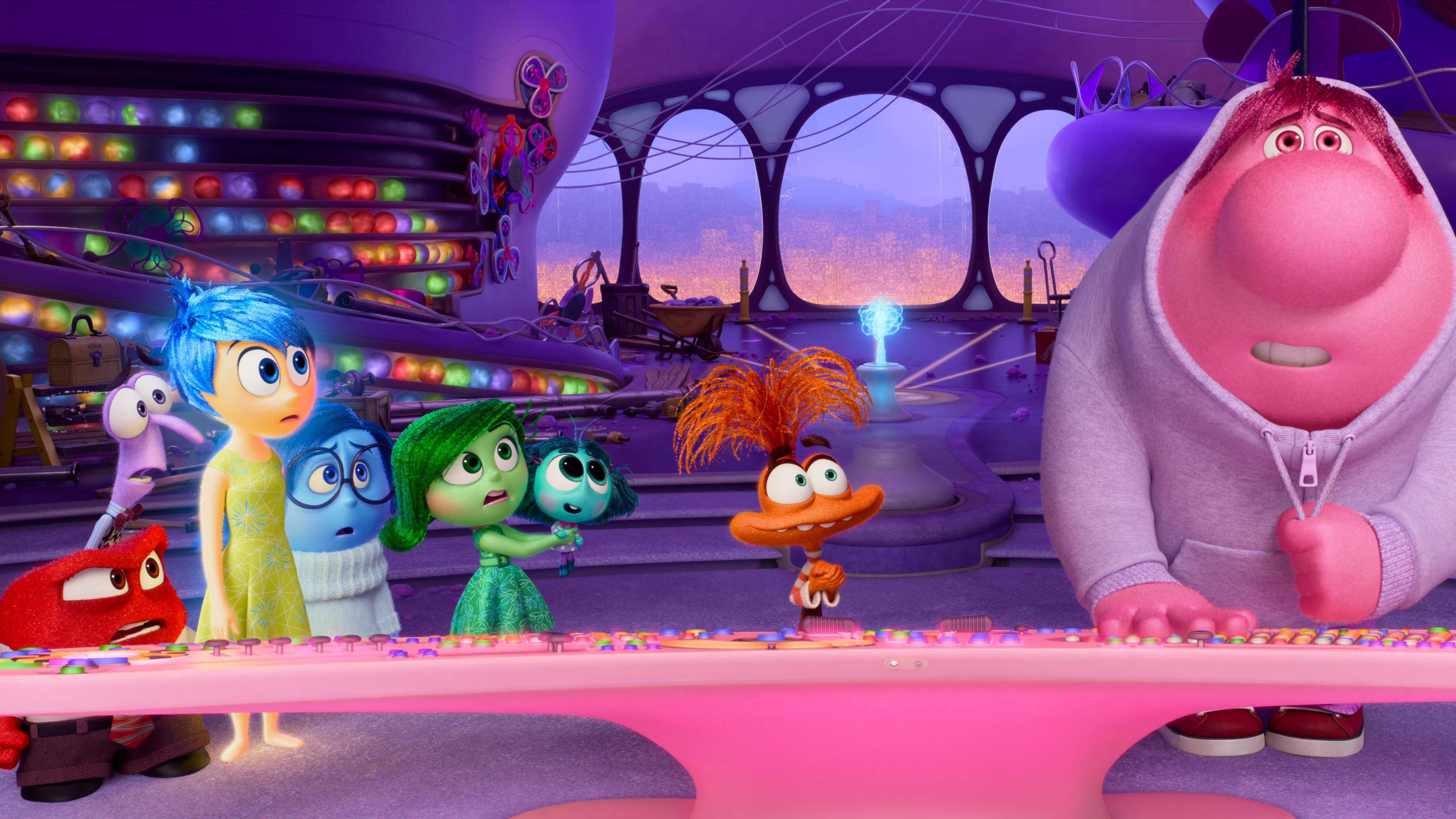
Speaking of those emotions, while all the returning emotions are once again delightful, the majority of them are relegated to bit-part roles. Though as she did in the first film, Poehler shines the brightest as Joy. With such endless positivity and happiness, it is impossible to not love her even in the face of trying circumstances, as the new emotions barge in and take control of Headquarters. Exarchopoulos is perfectly blasé and deadpan as Ennui while Edibiri is delightful as the small but very excitable Envy. However, the star of the show is unquestionably Maya Hawke as Anxiety. Those teenage years are a period in which anxiety can often go into overdrive, particularly in social situations. Hawke manifests this perfectly, as despite the best of intentions, she takes control of HQ and things quickly spiral out of control in Riley’s mind all while filling her with thoughts of apprehension that she may not have what it takes to fulfil her dreams of success when it comes to ice hockey. Anyone who has had self-doubt or anxiety about anything thing in their life can probably relate.
It may lack the emotional gut punch of its predecessor, with no moment that will leave audiences sobbing or put them through a mini existential crisis. Yet, it retains that wonderful inventiveness and humour which made the first film one of the studio’s most revered films in its distinguished filmography. Pixar might have had some wobbles in recent years, but its creative spark remains as strong as ever.
Retaining the ingenuity of its predecessor, Pixar has once again crafted another wonderfully imaginative sequel exploring the heightened emotions and perils of those turbulent teenage years.















 Through the Silver Screen